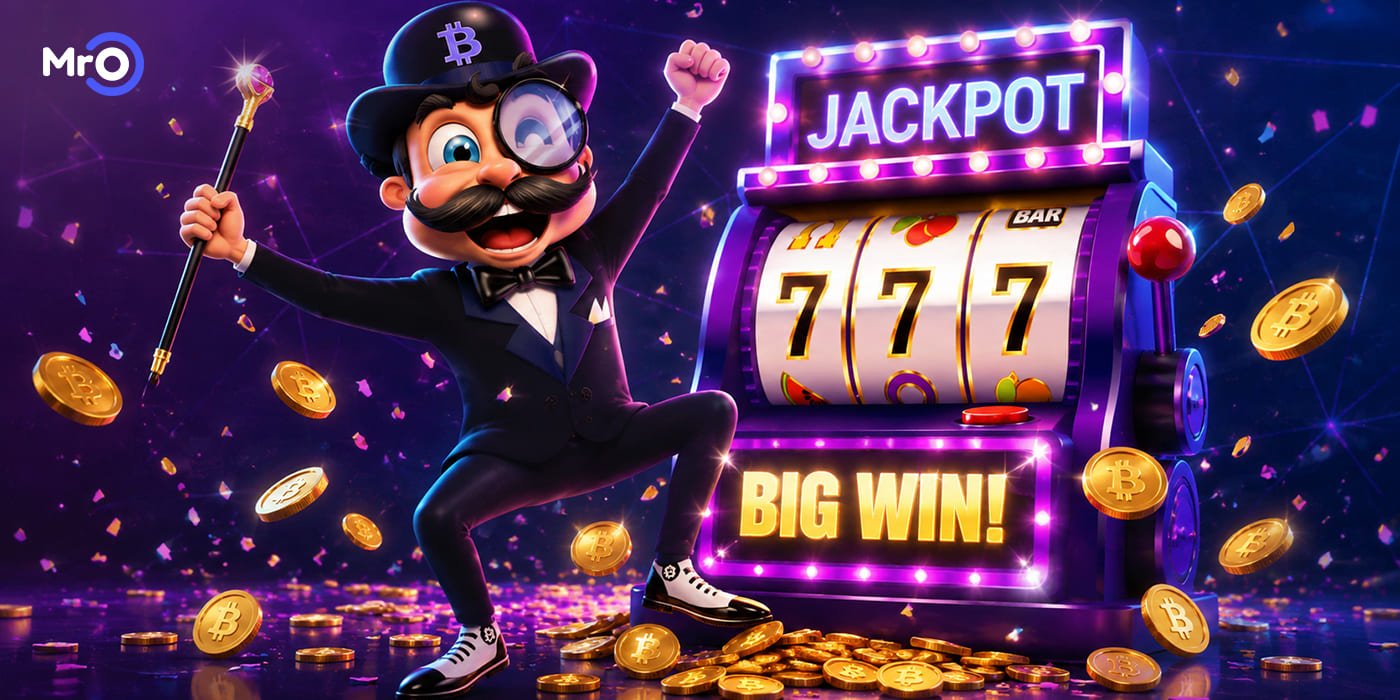
Mr O mascot celebrating beside a slot machine as random reels land on triple sevens

Relax, Spin and Let Randomness Do Its Thing

Randomness is not a problem you need to solve. It is what makes casino games exciting. Without it, every spin would feel the same. You would know each result before the reels stopped. That may sound useful. However, it would soon become boring. Uncertainty creates suspense. You press spin without knowing what will appear. A Wild could land in the perfect place. Alternatively, the round may end without a win.

Both results belong to the same game. Problems begin when uncertainty stops feeling entertaining. Each loss may start to feel unfair. You might even take the results personally. At that point, you are no longer enjoying the game. Instead, you are fighting its basic design. There is a better approach. Choose a comfortable budget, relax, and let randomness create the surprise.

Why Randomness Makes Games More Exciting

Imagine a slot that always shows the same symbols. The first spin might hold your attention. Yet, the next one would feel familiar. Soon, you would know every animation and result. That would remove the excitement.

Casino games rely on uncertainty. You do not know when a feature will appear. Likewise, you cannot know how the next round will end. A win feels exciting because it was never certain. A bonus feels special because it arrived without a promise. Of course, nobody enjoys every losing spin. You do not need to celebrate an empty round. Still, losses are part of an uncertain game. Accepting that fact can reduce pressure. You stop demanding a perfect result from every spin. Instead, you make room for surprise.

Randomness Is Not Working Against You

Several losses can make a game feel stubborn. Perhaps bonus symbols keep missing each other. Maybe a Wild lands one reel away from the ideal place. As a result, the slot may seem deliberately unhelpful. However, randomness does not have an attitude.

The game does not know that you feel disappointed. It does not remember your earlier near miss. Also, it does not choose to punish or reward you. Slots use random number generators to create outcomes. Each round follows the programmed game rules. Earlier independent spins do not control the next result.

The Mr O Casino guide to random number generators explains this process in more detail. This knowledge can make losses easier to accept. A poor result may affect your balance. However, it is not a personal message. Sometimes the reels stop in the wrong places. Unfortunately, they can be very dramatic about it.

Stop Expecting Randomness to Prove Something

A casino session does not need to prove that you are lucky. It also does not need to recover an earlier loss. A session can simply be planned entertainment. Still, some players begin with a hidden demand. The session must end with a profit. Otherwise, the entire experience feels unsuccessful.

That expectation gives the final result too much power. You may enjoy the theme and features. Several exciting moments might appear as well. Yet, one poor result can suddenly spoil everything. Try measuring your session differently. Did you stay within your budget? Was the game enjoyable? Finally, did you stop at the planned time? Those choices are within your control. The outcome is not.

A good session does not always require a winning balance. Sometimes it means having fun while respecting your limits.

Let Randomness Provide the Surprise

Players often search for signs inside the reels. A bonus may seem close after several near misses. Meanwhile, a losing streak may feel ready to end. A few wins can also make a slot appear hot. These patterns feel important. The brain naturally looks for meaning. However, earlier results may not predict the next spin. Randomness can create repeats, streaks, and sudden changes.

Therefore, every pattern does not need an explanation. You do not need to solve the reels. Nor do you need a perfect moment to press spin. Personally, I find that idea relaxing. If the next result cannot be decoded, every symbol stops looking like a clue. The reels provide entertainment. They are not an ancient prophecy with louder music.

Choose Games That Make Randomness Fun

A player focused only on winning may miss everything else. Themes, sounds, characters, and features shape the experience. Therefore, choose games you enjoy beyond their possible payouts.

Perhaps you prefer classic fruit symbols. Maybe you enjoy simple paylines and a calm pace. Alternatively, you might want expanding grids and animated bonus rounds. Every style can create a different atmosphere. Before playing, read the game information. Learn how winning combinations form. Check what activates each feature. Also, review the available bet range.

Volatility matters too. Some slots may offer smaller wins more often. Other games can create larger swings. They may also have longer gaps between wins. Learn more in the guide to slot volatility and game rhythm. The right game cannot promise a win. However, it can match your preferred pace.

Use a Budget That Makes Randomness Easier

A comfortable budget makes randomness easier to accept. Every loss feels more serious when the wager matters financially. The session can quickly stop feeling playful. Instead, each spin starts carrying too much pressure. Set your spending limit before playing.

Use only money reserved for entertainment. Never use funds needed for rent, bills, food, or savings. Then, treat the limit as the possible cost of the session. You do not need to spend the full amount. Stopping earlier is always an option. However, do not increase the limit after a loss. A losing streak does not improve the next wager. Another deposit also cannot force a different result. Your budget should protect you from stress. It should never become an amount you must recover.

Slow Down When Results Feel Personal

Frustration often leads to faster decisions. A player may press spin again after a loss. Another poor result creates more urgency. Therefore, the next spin happens even faster.

Soon, the game feels like an argument with a screen. Sadly, the screen will probably refuse to apologize. Slow down when you notice that feeling. Move your hand away from the spin button. Check the time and your balance. Then, ask if you are still having fun. A short pause can help. It separates the last result from your next choice.

You can also reduce the spin speed. This does not change the odds. However, a slower pace may make spending easier to notice. Take a longer break if frustration remains. Close the game and do something else. The next spin does not require an immediate answer.

Why Randomness Makes Near Misses Feel Important

Near misses can make randomness feel very persuasive. Two bonus symbols may land on the reels. Then, the final symbol stops outside the right position. The feature looked incredibly close. Therefore, you may feel that real progress occurred. However, a near miss is a completed result.

It does not usually carry progress into the next spin. An explained collection feature may work differently. If so, the game rules should make that clear. The bonus symbol did not make a promise. It simply appeared in a dramatic position.

Do not continue because a feature looks ready. It may arrive next. On the other hand, it may stay absent during the session. You can enjoy the suspense without treating it as evidence. A movie trailer suggests what happens next. A near miss usually does not.

Know When Fun Becomes Pressure

Playing casino games should always feel optional. You should be able to stop without fear. No guaranteed prize waits after the next spin. Also, one result cannot repair every earlier loss.

Watch for thoughts like these:

  • One win will make this session feel better.
  • Stopping after that result feels impossible.
  • The bonus must appear soon.
  • Another spin could fix everything.
  • Raising the stake seems like the answer.
  • Leaving now would waste the session.

These thoughts place pressure on an uncertain outcome. When a win starts feeling necessary, it is time to stop. No result can guarantee relief or recovery. Take a break before making another choice. End the session if the pressure remains. Walking away does not mean the game won. Instead, it shows that you controlled your decision.

Set Limits Before Facing Randomness

A spending limit protects your money. Meanwhile, a time limit protects the rest of your day. Slots can make time difficult to notice. Fast spins keep your attention on the next result. Bright animations can also hide how long you have played.

Choose a time limit before starting. Use a timer if needed. When it rings, stop the session. Avoid creating another deadline. Do not play until a bonus appears. Likewise, never stay only to recover a loss. Both goals depend on randomness. Therefore, they may extend the session far beyond your plan.

A fixed ending is easier to follow. The game does not need a dramatic final scene. Sometimes the best ending is closing it on time.

Play Only When the Mood Is Right

Not every difficult day needs a casino game. Avoid playing when you feel angry or anxious. The same applies when you feel tired, lonely, or upset. Strong emotions can make losses feel worse. They may also make limits harder to follow. Ask yourself why you want to play. Do you want some light entertainment? Or do you need the game to improve your mood? Choose another activity if you need emotional relief. An uncertain result cannot promise that.

Play when you can accept the possible outcomes. Then, stop when that relaxed feeling disappears. Sometimes the right game is no game at all. Do not worry. The reels will survive without you.

Focus on What You Can Control

You cannot choose which symbols land. However, you can shape the rest of the session. Choose the game and select the stake. You also control the pace and session length. Most importantly, you decide when to leave. Focus on those choices instead of controlling the result.

Pick a game with an appealing theme. Use a stake that feels comfortable. Take breaks before the action becomes too fast. Keep the sound at a pleasant level too. Loud effects can make every moment feel urgent. Small choices can create a calmer experience. They do not change randomness. Still, they can change how you respond to it. That is where your real control begins.

Frequently Asked Questions About Randomness

Why Is Randomness Important in Casino Games?

Randomness makes results uncertain. Therefore, it creates suspense and surprise. Without it, casino games would become predictable.

Can I Predict the Next Slot Result?

No reliable method can predict an independent slot result. Earlier spins do not reveal which symbols will land next.

Does a Losing Streak Mean a Win Is Coming?

No. Previous losses do not guarantee a future win. The next spin may win, but nothing is owed.

Does a Near Miss Mean a Bonus Is Close?

No. A near miss is a completed result. It does not make the next bonus more likely.

How Can I Avoid Getting Frustrated?

Use comfortable limits and choose games you enjoy. Also, take a break when results begin to feel personal.

When Should I Stop Playing?

Stop after reaching your time or spending limit. You should also stop when you feel angry or pressured.

Can My Mood Affect the Result?

No. Your mood cannot change a random result. However, it can affect your decisions and reactions.

Relax and Let Randomness Do Its Thing

Randomness does not ruin casino games. Instead, it creates surprise, suspense, and unexpected moments. However, uncertainty stays enjoyable only when gambling remains entertainment.

Choose games because their themes interest you. Set clear limits for your money and time. Also, avoid asking a result to improve your mood. The reels do not owe you a win. They also do not owe you an apology or perfect ending. Oddly, that can feel freeing. Stop trying to control every outcome. Instead, focus on the choices that belong to you.

Explore the available games at Mr O Casino. Choose a game that suits your mood. Keep your limits clear. Then, let randomness provide the surprise.

Read more: Dragon Season Casino Promotion: Unleash Epic Rewards & Fiery Wins
Mr O Casino slot machine illustrating risk vs reward in gambling.

Risk vs Reward in Gambling: How to Make Smarter Choices

Risk vs reward shapes every gambling choice, but the right balance is not always clear. Those who play at Mr O Casino know best. Every game includes some level of risk. Excitement can make that risk seem smaller than it really is. Before playing, compare what you may gain with what you could lose. Always protect your budget first. This guide explains gambling psychology, calculated risks, common mistakes, and simple ways to stay in control.

What Does Risk vs Reward Mean in Gambling?

Risk means something you could lose. In gambling, this may include funds, time, and control. On the other hand, reward means the result you hope to receive. It may include a payout, special feature, or exciting experience.

The risk vs reward balance compares these two sides. It helps you decide whether a choice feels worth making. Larger possible rewards often come with greater risk. Smaller rewards may appear more often, but they remain uncertain.

As you may already know, no game can promise a positive result. Each round depends on chance and the game’s rules. Therefore, ask yourself one simple question before playing: Can you accept losing the full amount? When the answer is no, the risk is too high. Lower your limit or skip the session. That choice may feel simple. Still, it can protect your budget and keep gambling fun.

How Risk vs Reward Differs From Uncertainty

Risk relates to known rules and possible outcomes. Uncertainty comes from not knowing what will happen next.

Casino games include both elements. You can learn the rules, but you cannot predict the next result. Luckily, knowing more about a game can improve your choices. However, knowledge cannot control random outcomes. This difference matters because confidence can create false hopes. Clear thinking helps you avoid that common mistake.

How Risk vs Reward Psychology Shapes Decisions

Gambling choices do not come from logic alone. Feelings can change how you view possible risks and rewards. That is why risk and reward psychology matters. It explains why some decisions feel difficult to resist.

A possible reward can create excitement before the game begins. Meanwhile, a recent loss may cause stress or anger. Strong emotions often lead to quick choices. They may also make your original limits seem less important. Recognizing those feelings gives you time to pause. A short break can help you think more clearly.

Why Rewards Feel More Important

Game’s potential often captures your attention first. Bright colors, sounds, and game features can increase that feeling. As excitement grows, the risk may seem smaller. The possible reward may also feel more likely.

Still, visual effects cannot change the odds. They make the experience exciting, but they cannot predict results. A word of advice – pause when excitement becomes your main reason for continuing. Review your limits before making another choice.

How Past Results Affect Risk vs Reward Choices

A recent favorable result does not promise another one. Several losses also cannot guarantee that success is coming.

Each independent round follows the game’s set rules. Previous outcomes do not control the next result. Players often notice patterns during random play. However, those patterns cannot offer a sure prediction. Remember this fact when a sequence feels meaningful. Chance does not remember what happened before.

Why Chasing Losses Increases Risk

Chasing losses means continuing because you want to recover lost funds. This habit can quickly break your original plan. What do we mean exactly?

If you have played slots at least once, you know that frustration may replace calm thinking. As a result, players sometimes raise stakes or extend their sessions. Another round cannot remove a past loss. Instead, it creates a new chance of losing more. This is why stopping protects the rest of your budget. It also gives your emotions time to settle.

Why Risk vs Reward Needs Clear Limits

Risk is not always negative. Many forms of entertainment include chance, surprise, and uncertain outcomes. However, why taking risks matters depends on your approach. Controlled risk can add excitement without harming your daily life.

We cannot stress this enough – clear limits separate entertainment from unsafe behavior. Your gambling budget should never include funds for bills, rent, or food. Borrowed funds should also stay outside every session. Debt remains real even when a hoped-for result never arrives. So, what should you do?

  • Choose an amount you can lose without stress.
  • Treat it like the cost of another leisure activity.

Risk awareness may also build better habits. You learn to pause, check your feelings, and follow a plan. Most importantly, gambling should remain entertainment. Never treat it as a way to earn regular income.

How to Judge Risk vs Reward Before Playing

A calculated risk does not remove chance. Instead, it helps you plan before emotions affect your choices. Learning how to take calculated risks starts with clear boundaries. The following steps can help you keep control.

1. Set a Spending Limit

Choose a fixed amount before opening a game. Make sure losing it would not affect your daily needs. View this amount as entertainment spending. Once it is gone, the session should end.

Never raise your limit after a loss. Changing the plan during play gives emotions more control. Keep gambling funds separate from money for daily costs. This simple step can reduce quick spending choices.

2. Create a Time Limit

Time matters just as much as your budget. A long session may affect sleep, focus, work, or other plans. So, choose an end time before you start. Then, use an alarm to help you follow it.

Regular breaks can clear your mind. They also make changes in your mood easier to notice.

Step away when a session starts feeling stressful. Gambling should never feel like a task you must complete.

3. Learn the Rules

Read the rules before playing any unfamiliar game. Check the features, stake options, and possible outcomes.

Look for return-to-player information when available. This figure shows a long-term average across many game rounds. It does not predict what will happen during your session. Personal results can be very different. Understanding the rules can reduce confusion. Yet, it cannot give you control over chance.

Choosing the right platform also matters. Learn how the Social Casino Backlash and Player Trust may shape safer gambling choices.

4. Compare Risk vs Reward With Your Budget

A large possible reward may look exciting. First, consider how the amount at risk fits your budget: Would losing it change tomorrow’s plans? Could the loss affect an important payment?

Reduce the amount when the answer is yes. Skipping the session may also be the smarter choice. Your daily needs should always matter more than a possible game result.

5. Plan When You Will Stop

Set your stopping points before the session begins. Include both a time limit and a spending limit. You can also choose when to stop after a favorable outcome. This plan limits repeated “one more round” decisions.

Follow every boundary without making new deals with yourself. A stopping point only works when you respect it. Walking away on time shows control. It does not mean you failed.

6. Check Your Mood

Your mood can affect every decision. These are the basics to follow:

  • Avoid gambling when you feel angry, worried, tired, or upset.
  • Alcohol and other substances may also weaken judgment. Wait until you can think clearly.
  • Ask yourself why you want to play. Are you seeking fun, escape, income, or recovery from a loss?

Playing for fun supports a safer approach. Other reasons may show that you need a break.

Calculated Risk Examples in Gambling

Real situations make smart risk taking easier to understand. These calculated risk examples show how planning can reduce harm.

Risk vs Reward Example: Setting a Budget

A player chooses a small amount for weekend entertainment. Losing it would not affect bills or other plans. They stop when the set amount is gone. This choice protects their daily budget.

Adding more funds after a loss would break the plan. Therefore, the session ends at the original limit.

Risk vs Reward Example: Choosing Smaller Stakes

Another player wants a longer session. They choose smaller stakes instead of chasing larger possible results. That decision matches their main goal. It also keeps spending under better control.

Larger stakes are not always the best option. Personal value matters more than the biggest possible reward.

Risk vs Reward Example: Stopping After a Loss

One player reaches their limit sooner than expected. The result causes frustration and an urge to continue. Rather than adding more funds, they close the game. This action stops one loss from becoming larger. Taking a break also helps their mood settle. A calm mind supports better future choices.

Risk vs Reward Example: Pausing After a Good Result

A favorable outcome makes someone feel very confident. They begin thinking that the positive run will continue. Instead of raising their stakes, they pause. The short break helps them return to the original plan. Confidence does not change random outcomes. Recognizing that fact can prevent needless risk.

Common Risk vs Reward Mistakes to Avoid

Many players focus only on the possible reward. They forget to consider the cost and chance of losing.

Another mistake involves treating confidence as proof. Feeling lucky cannot change how a random game works.

Some players also change limits during a session. Rules made during excitement are often less safe.

Borrowing funds creates even greater risk. You must repay the debt regardless of the game’s outcome.

Longer sessions cannot guarantee recovery. More time simply creates more chances to spend.

Others may think stopping means giving up. In fact, leaving within your limits shows strong control.

Avoiding these mistakes keeps the experience balanced. It also protects your time, mood, and budget.

Risk vs Reward Warning Signs

Smart decisions include knowing when gambling no longer feels like fun. Changes in behavior can provide early warning signs.

Look for these signs:

  • You spend more time or funds than planned.
  • Gambling becomes something you hide from others.
  • Borrowed funds start covering sessions or past losses.
  • Work, sleep, or relationships receive less attention.
  • Previous losses create pressure to keep playing.
  • Stopping causes anger, worry, or distress.
  • Gambling feels like a solution to financial problems.

Take a break when any warning sign appears. Spending limits and time reminders may help you regain control.

Cooling-off periods can create useful distance. Self-exclusion tools offer stronger support when a longer break feels necessary.

Professional help may be useful when stopping becomes difficult. Seeking support early can protect your health and finances.

Responsible play always includes the ability to stop.

Risk vs Reward Frequently Asked Questions

How Do You Compare Risk vs Reward in Gambling?

Start by checking how much you could lose. Next, compare that amount with the possible result and your personal budget. The risk is too high when a loss could affect daily costs. Use this process to set limits, not predict outcomes.

What Makes a Gambling Risk Calculated?

A calculated risk uses spending and time limits set before play. It also protects funds needed for daily costs. Players accept every possible outcome and stop as planned. Preparation and control make the risk calculated, not confidence or previous results.

Can Gambling Be Smart Risk Taking?

Gambling may involve controlled risk when it stays within a small entertainment budget. However, it cannot provide a sure income source. Smart risk taking means learning the rules, accepting possible losses, and respecting clear stopping points.

Why Is Chasing Losses Unsafe?

Chasing losses adds pressure to every new choice. Stress may lead to larger stakes, longer sessions, and broken limits. No future result can promise recovery. Stopping prevents one poor session from causing greater harm.

How Can New Players Manage Risk?

New players should learn the game rules before starting. They should also set small spending and time limits. Regular breaks can keep emotions under control. Avoid borrowed funds and never play to solve financial problems.

Keep Risk vs Reward Within Your Limits

Understanding risk vs reward cannot control random outcomes. However, it can help you control your personal decisions.

Set a clear budget before playing. Learn the rules, watch your mood, and stop when you reach your limits.

Keep gambling as a form of entertainment. Never use funds needed for bills, food, rent, or other daily costs.

Visit Mr O Casino to explore available games while keeping responsible play in focus. Gambling is for adults within allowed locations. Most importantly – seek support if gambling stops feeling fun or becomes difficult to control.

Return to our Website