Are Simple Slots Making a Surprising Comeback in 2026?
Simple slots are getting fresh attention in 2026. However, they never truly disappeared.
Modern casino lobbies are full of complex games. Many have giant grids, bonus meters, changing reels, and several special features. Still, some players want a game that feels easier to follow. That is where simple slots come in.
These games often have clear rules and familiar symbols. They may also have fewer bonus features. Therefore, players can understand the game without reading a long guide. This does not mean modern video slots are losing their appeal. Instead, simple games are finding a place beside them.
Personally, I understand why. Sometimes, I want to spin the reels. I do not want to study a bonus feature like it is a final exam. So, why are simple slots becoming popular again? Let’s look at the main reasons.
What Are Simple Slots?
Simple slots are games with clear rules and limited features. They often include:
- Three or five reels
- A small number of paylines
- Familiar symbols
- Simple betting controls
- Clear winning combinations
- Few bonus rounds
- An easy-to-read paytable
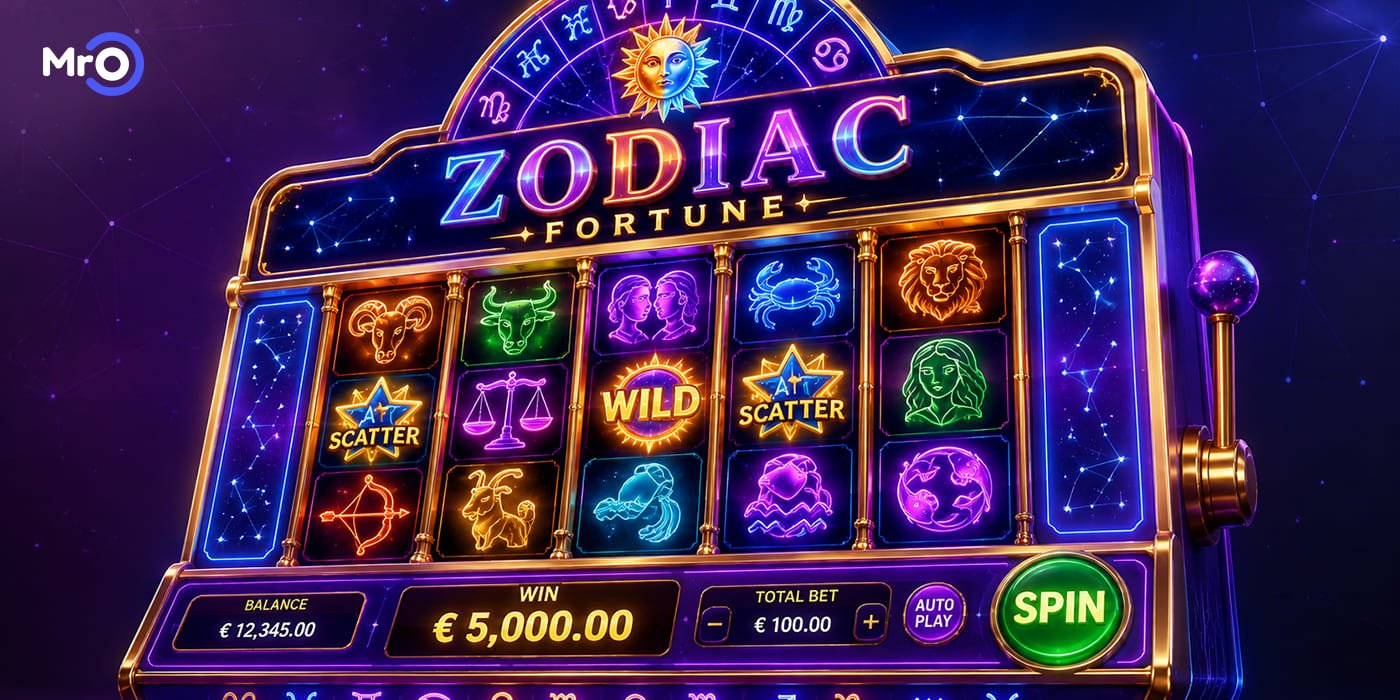
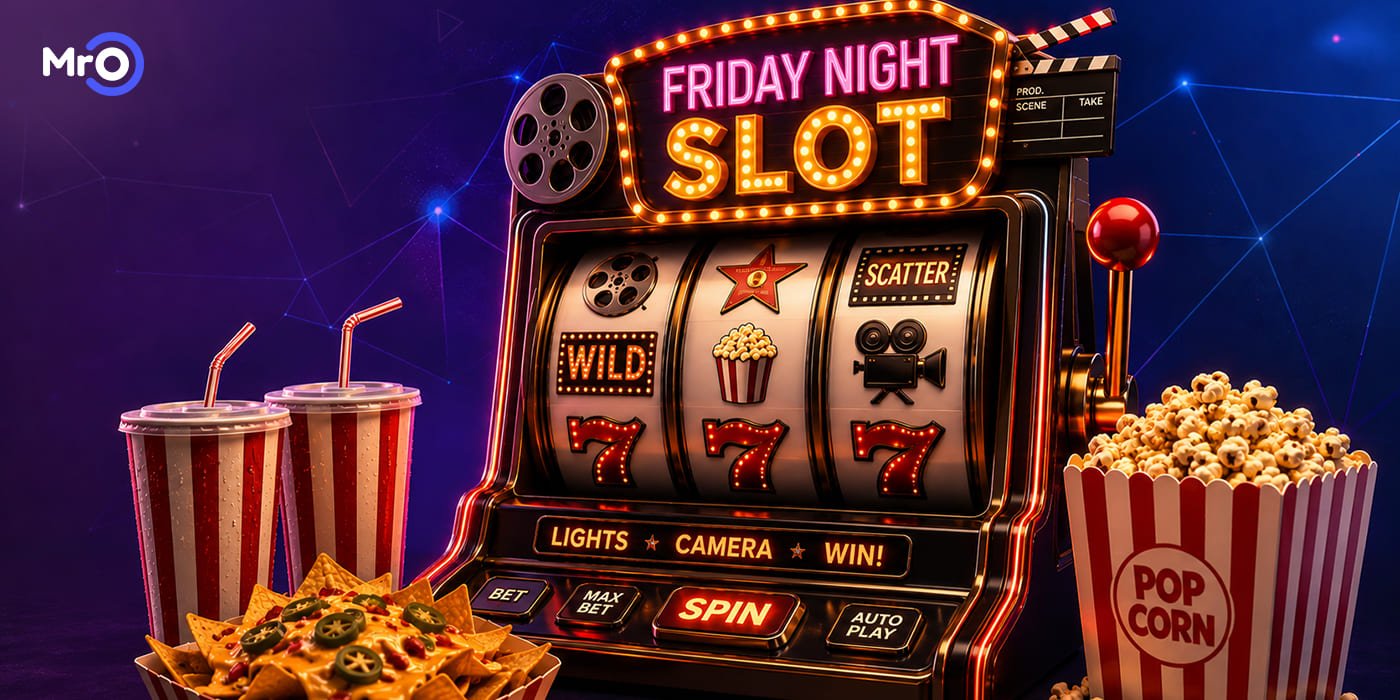
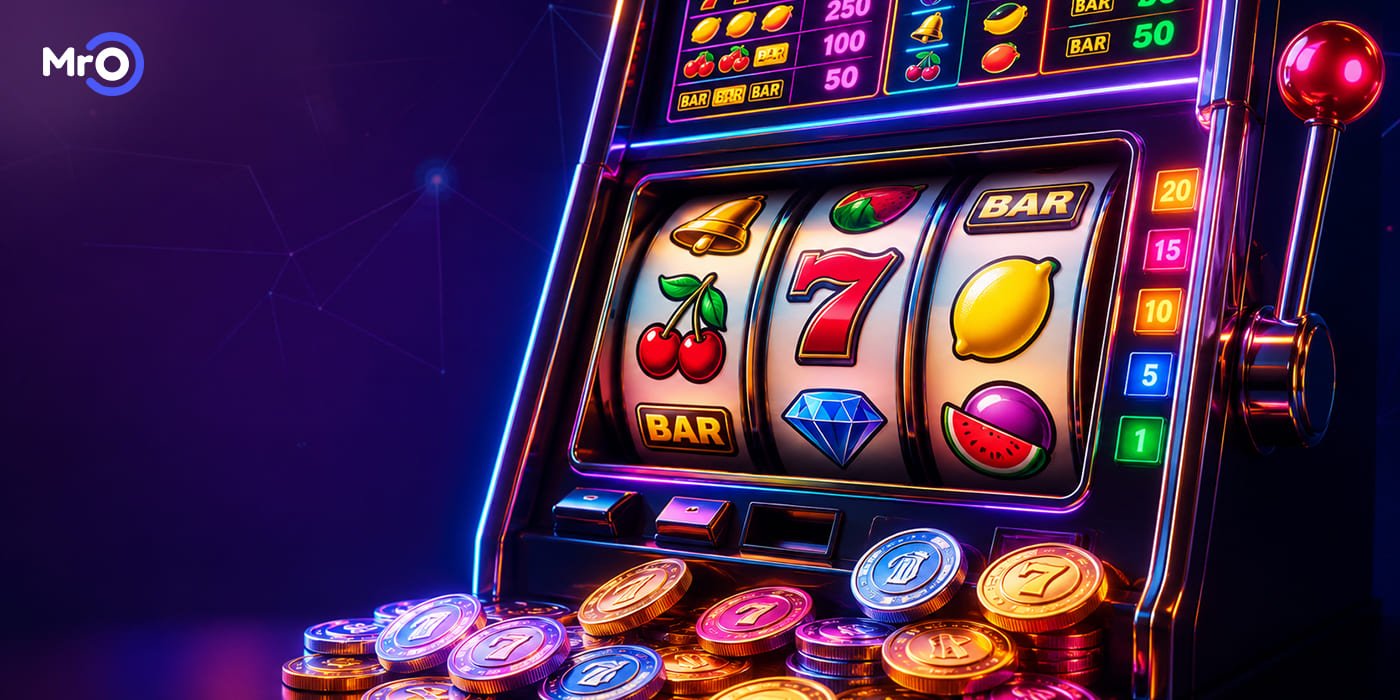
Classic slots are a common example. They often use fruit, bells, BAR symbols, and lucky sevens. However, a simple slot does not need a retro theme. For example, a new game can use modern graphics. Still, its rules may remain easy to understand. Therefore, “simple” does not mean old or boring. It only means the player can quickly understand what is happening.
Why Simple Slots Fit 2026
Casino games continue to use new technology. However, more technology does not always need to create more complex rules.
Today, many players use phones to access games. As a result, they often want fast loading and clear controls. Simple slots fit those needs well. Their symbols are easy to see on a small screen. Moreover, their controls usually need less space. Players can also understand the basic game quickly.
This may help during a short session. A player does not need to learn several features before starting. Of course, not everyone wants the same experience. Some players enjoy complex bonus rounds and detailed themes. Others prefer a direct game with fewer distractions.
Therefore, the return of simple games is not a battle between old and new. Both styles can exist in the same casino lobby.
Nostalgia Helps Simple Slots Stand Out
Nostalgia is one reason simple slots still attract attention.
Fruit, bells, sevens, and BAR symbols are easy to recognize. These symbols quickly create the look of a classic slot machine. Older players may remember them from land-based casinos. Meanwhile, younger players may know them from films, apps, or retro designs. As a result, classic symbols can feel familiar to many age groups.
Nostalgia also helps these games stand out. Many modern slots use detailed fantasy worlds. They may feature gods, dragons, heroes, or treasure hunters. In contrast, a clean fruit slot looks very different. Sometimes, the simplest game in the lobby becomes the easiest one to notice.
Fewer Features Make the Rules Clearer
Modern video slots may include many features.
For instance, one game may have wild symbols, free spins, multipliers, and changing reels. It may also include a collection meter and several bonus choices. These features can add variety. However, they also create more rules. A player may need to learn:
- How each bonus starts
- When multipliers reset
- What collected symbols do
- Why the reel grid changes
- Which free-spin option to choose
- Whether a jackpot needs a special bet
Some players enjoy learning these systems. Others want a game that feels clear from the first spin. Therefore, simple slots may feel more relaxing. Players can check the paytable and choose a stake. Then, they can easily follow each result. Clarity does not improve the odds. Still, it can make the game easier to understand.
Simple Slots Are Not Easier to Win
A simple game is not always easier to win.
Few features do not mean better odds. Likewise, many features do not always mean worse odds. Instead, every slot has its own rules and math. Before playing, check:
- RTP
- Volatility
- Minimum and maximum wagers
- Number of paylines
- Maximum possible prize
- Bonus and jackpot rules
RTP shows a theoretical return over many rounds. However, it cannot predict one session.
Volatility shows how a game may spread its wins. For example, a high-volatility game may have longer losing periods. It may also offer larger possible wins. Importantly, classic graphics do not always mean low volatility. A three-reel fruit slot can still create large balance changes. Therefore, always check the information panel. The Mr O Casino guide to slot volatility explains how volatility changes the pace of a game.
Mobile Players May Prefer Clean Designs
Mobile play is another reason simple slots remain useful in 2026.
A desktop screen has room for maps, meters, and several bonus panels. In contrast, a phone has much less space. Therefore, clean layouts may work better on smaller screens.
The main symbols stay easy to see. Also, the betting controls can remain clear. The game does not need to fit several progress bars around the reels. Simple games may also suit shorter sessions. For example, players can open a familiar game and start quickly. They do not need to learn a new bonus system first. However, easy access can create another problem. Players may lose track of time or spending. So, set a time limit and a spending limit before playing. A simple layout does not remove risk.
Modern Simple Slots Can Still Feel New
The return of simple slots does not mean developers must copy old machines. Instead, they can mix classic gameplay with modern design. ew simple games may include:
- Clear HD graphics
- Mobile-friendly controls
- Faster loading
- Modern sound effects
- One wild feature
- A basic respin feature
- A simple free-spin round
These changes can make a game feel fresh. At the same time, the basic rules stay clear. For example, a game may add one expanding wild. That feature can add interest without changing the whole game.
The best simple designs often know when to stop. Personally, I see it like updating an old apartment. New lights and fresh paint can help. However, you do not need to turn the living room into a theme park.
Feature Fatigue May Be Growing
Feature-rich slots can be exciting. However, constant complexity may become tiring.
Many games now promote large multipliers and mystery features. Some also have several bonus modes and changing reel grids. After a while, these features may feel less special. Moreover, it can become hard to compare games. Two slots may look similar in the lobby. Still, their rules may be completely different. In contrast, simple slots offer a direct experience.
The base game remains the main event. Players do not need to wait for a bonus round before the game feels interesting. Simple games may suit players who:
- Want fewer distractions
- Prefer clear paylines
- Enjoy classic symbols
- Want a short learning time
- Do not want to track several features
- Prefer a familiar game pace
Still, feature fatigue does not affect everyone. Some players will always choose the game with the biggest dragon and loudest bonus round. Fortunately, casino lobbies can offer both styles.
Simple Slots May Help New Players
New players already have several terms to learn. For example, they may need to understand paylines, wilds, scatters, RTP, and volatility. A complex bonus system adds even more information. Therefore, simple slots may make the basics easier to see. A new player can learn:
- How to select a stake
- Where wins appear
- How paylines work
- What each symbol pays
- How the balance changes
- Where to find the game rules
However, simple controls do not make gambling safe. A player can still lose money quickly. This is especially true when the game moves fast. Therefore, new players should check the paytable first. They can also use demo mode when available. The Mr O Casino guide to choosing slot games explains how to compare different games.
Simple Slots and Modern Slots Compared
Neither style is better for every player.
Simple slots have fewer rules and a short learning time. They often use familiar symbols and clear paylines. In contrast, modern video slots may have detailed themes and several bonus features. They can also offer more visual changes during play.
A simple game may suit someone who wants a direct experience. Meanwhile, a feature-rich game may suit a player who enjoys variety. Therefore, ask one question before choosing: What type of game do I want to play today? The answer may change from one session to another.
What Should You Check Before Playing?
A clean design should never replace the paytable.
- First, check the RTP. This figure shows a theoretical return over many rounds. It does not predict your result.
- Next, check the volatility. A simple game can still have high volatility.
- Also, review the paylines. Some classic games have only one payline. Others use several lines or ways to win.
- Then, check the minimum wager. Make sure it fits your planned budget.
- Finally, review all bonus and jackpot rules. Some games may require a certain stake for the top prize.
- Never raise your stake only to unlock a feature. The wager should always fit your original budget.
Are Simple Slots Better for Small Bankrolls?
Some simple slots offer low minimum wagers. Therefore, they may fit a smaller bankroll. However, the minimum wager is only one part of the cost. Game speed matters too.
Simple games may move quickly because they have fewer animations. As a result, many small wagers can add up fast. Before choosing a slot, compare:
- The minimum wager
- The speed of play
- The volatility
- Your session time
- Your spending limit
A suitable game should fit the budget you already set. Do not increase that budget because the game looks familiar. Also, do not assume a simple game will make the bankroll last longer.
Will Simple Slots Replace Modern Video Slots?
No. Simple slots are unlikely to replace modern video slots. Many players still enjoy complex features and cinematic themes. Those games will remain important in online casino libraries. Instead, casino lobbies will likely offer more variety.
Players may see classic three-reel games beside modern video slots. They may also find games that mix simple rules with one modern feature. Therefore, the comeback may affect how new games are designed.
Developers can create modern-looking slots with clearer rules. They can also use fewer features and cleaner screens. That balance may become a key slot trend in 2026.
Frequently Asked Questions About Simple Slots
Are Simple Slots Making a Comeback in 2026?
Yes, simple slots are getting fresh attention in 2026. Clear rules, classic symbols, and mobile-friendly designs may explain their appeal. However, modern video slots remain popular too.
What Are Simple Slots?
Simple slots have clear rules and limited features. They often use three or five reels, familiar symbols, and a small number of paylines.
Are Simple Slots the Same as Classic Slots?
Not always. Classic slots often use retro symbols. However, a modern slot can also have simple gameplay.
Are Simple Slots Easier to Win?
No. Simple rules do not improve the odds. Always check the RTP, volatility, stake range, and paytable.
Can Simple Slots Have Bonus Features?
Yes. Some include wilds, respins, free spins, or jackpots. However, they usually have fewer features than modern video slots.
Are Simple Slots Good for Beginners?
Their clear layouts may make the basic rules easier to learn. Still, every real-money slot includes risk.
Can Simple Slots Have High Volatility?
Yes. A simple design does not mean low volatility. Therefore, always check the game information before playing.
Do Simple Slots Work Well on Mobile?
Many do. Their clean layouts can fit smaller screens. However, players should still track their time and spending.
Why Simple Slots Still Matter in 2026
The return of simple slots does not mean casino games are moving backward. Instead, it shows that clear design still matters.
Classic symbols offer nostalgia. Simple rules reduce learning time. Moreover, clean layouts work well on mobile screens. Nevertheless, simple does not mean safe or easy to win.
Every game has its own RTP, volatility, stakes, and paytable. Therefore, players should always check these details first. Personally, I do not think players have stopped enjoying new features. Sometimes, a smart design simply knows when it has enough of them.
Explore the games at Mr O Casino and compare simple and feature-rich slots. Choose a game that matches your preferred pace and budget.
Looking for a 5-reel highly volatile slot? Check out Horseman’s Prize Slot Big Win: A Night the Reels Will Never Forget and let us know how the spinning went. Cheers!